Choosing a suitable gaming experience and how it shapes content and access
Choosing a suitable gaming experience and how it shapes content and access
A digital platform combines software, content, and navigation to make services accessible on connected devices. In a casino gaming setting, the framework combines game categories, details about rules, account tools, and promotional terms where offered. Seeing how the different elements fit together helps players identify what belongs to the game’s rules, the platform interface, or a bonus’s terms. Digital Platforms and Technology provides a useful perspective for considering these experiences: the underlying technology influences how content appears, while each game retains its own mechanics. The main practical issues are understanding different games, interpreting offer terminology, and using a mobile interface while remaining mindful of the rules.
An Overview of Casino Categories and Rules
Casino games differ both in how outcomes are decided and in what decisions players may make. Slots generally involve combinations of symbols and game-specific features, whereas blackjack, roulette, and other table games use distinct rules and betting choices. A streamed presentation is an added element of live-dealer formats, while the game’s underlying rules remain important. Before starting, review the rules or help panel for the goal, possible actions, payout explanations, and requirements for special features. A game’s category name does not, on its own, explain the exact version or variations.
- Slot games use reels and symbols with set pay rules, and feature triggers are specific to each game.
- In blackjack, hand totals are compared, and the available actions and dealer rules are set beforehand.
- A roulette outcome is based on the wheel result and the selected position for the wager.
- Table play is streamed in live-dealer games, but permitted bets are governed by the rules.
- The poker format determines its hand rankings, betting rounds, and how opponents are paired.
- Help screens for individual games explain variant-specific terms that broad category summaries may omit.
In comparisons of game categories, consider the interaction instead of focusing on artwork or theme. With a slot, a player may select a stake and begin a round; a card game may involve decisions during the round. Different roulette bets have different conditions tied to possible outcomes. The differences influence how quickly a game proceeds, how complex it is, and how much information is needed to follow a round. Common formats are summarized in the comparison below, but particular game rules can differ.
| Type of casino game | What players should know before starting |
|---|---|
| Slots involve symbol combinations and features that vary by game. | Read the pay information and find out how special features are triggered. |
| The rules of blackjack govern comparisons between player hands and dealer totals. | Check the dealer’s actions, hand options, and any conditions specific to the variant. |
| Roulette lets players make bets tied to different potential wheel results. | Before selecting a betting position, check the outcome covered by each bet. |
| Live-dealer games bring streamed table play together with established rules. | Check the table directions and sequence of betting before taking part in a round. |
| Each poker format has its own hand rankings and betting structure. | Make sure you know the variant, the order of play, and how the game determines its winners. |
Because promotional language describes conditions rather than game mechanics, it should be reviewed in a different way. Neither a headline amount nor an offer title explains eligibility or the permitted use of a reward. Look through the full terms for qualifying activity, timing, applicable wagering requirements, excluded games, and withdrawal restrictions. Such details shape the value of an offer in practical terms. When a condition is ambiguous, treat it as unsettled instead of presuming the most favorable meaning. For further information, see this link: humancapitalinternational.org/uncategorized/the-visitors-guide-to-casino-promotions-on-dk88-pages/.
Bonus Requirements and Conditions for Digital Games
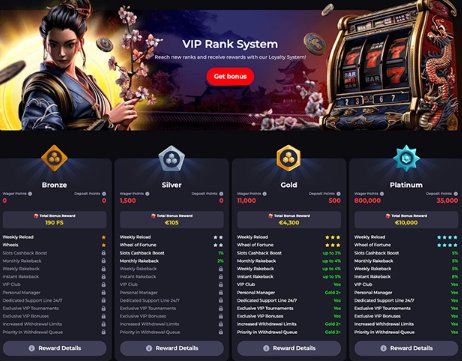
The language used for bonuses often separates the amount credited from the conditions that apply to it. A deposit match is one example: it relates a qualifying deposit to promotional credit, but its calculation and any limit are governed by the terms. The term free spins usually refers to a set number of spins, with conditions on the game and any payouts. Wagering requirements describe how much qualifying play must occur before eligible funds or winnings may be withdrawn, with the offer’s rules potentially defining the calculation. Look for expiration periods, minimum eligible deposits, excluded games, and any rules on whether the reward can be withdrawn as cash immediately. Compare all the terms, since these conditions are not interchangeable and a short promotional label is not enough. Keep the conditions accessible while you assess whether they suit your planned play.
Using a Phone to Navigate Digital Games
On phone screens, menus and game controls can receive more visual emphasis than detailed information. Make sure there are clear ways to reach game categories, rules or help, account settings, and promotional terms, as each addresses a different need and should not be confused with one general menu. Ensure that the game you selected and its instructions are visible on your device before beginning a round. A small display may require scrolling or opening a help panel, so allow enough time to examine payout tables and controls. A responsive website and a dedicated app are separate delivery formats, with the website accessed through a browser and the app installed as software. The particular service and device affect availability and behavior, so it is not safe to assume both formats have identical features.
Digital Game Technology, Connections, and Information
Game states, player decisions, and results are presented through software interfaces in digital gaming. For live formats delivered by stream, video is an additional layer and the table instructions still set out how the game works. When a connection is slow or interrupted, the viewing experience may suffer and a sequence may be harder to track, although the game rules remain unchanged. Use the game’s own help information to learn its controls, symbols, payout descriptions, and round stages instead of guessing at mechanics from the visual design. If a screen displays a history or results, distinguish that record from a prediction, because earlier outcomes alone do not establish what will happen next. Readers can better interpret what a platform displays by distinguishing its interface, connection, and game logic in this way.
Choosing a Digital Platform and Game Experience
When comparing options, first focus on the experience you want to learn about rather than on promotional labels. If straightforward play is your preference, check how many choices the game calls for and whether its rules are easy to access. Identify the table-game variant and study its sequence of actions, or, for a slot, learn the effects of symbols, paylines, and other features described for that game. When using a mobile device, check that you can reach the necessary instructions and controls without having to guess. Next, assess any related promotional terms separately because they may impose requirements beyond the game’s fundamental rules. Digital Platforms and Technology brings these layers together, but clear decisions come from assessing each one individually: the interface, game mechanics, connectivity, and promotional terms. Set limits appropriate to your circumstances, and end play if it stops being enjoyable.