Ways to assess mobile interface choices
Ways to assess mobile interface choices
Through connected software, digital platforms bring together casino games, account tools, and interactive interfaces. A mobile gaming experience is shaped by more than a game’s appearance: players also need clear controls on a small screen, quick access to rules, and technology suited to their device and connection. A useful way to make sense of this wider system is to consider Digital Platforms and Technology, including the interface, game software, and their supporting services. Every layer has an effect on a different decision. An organized menu supports navigation, readable rules encourage informed play, and knowledge of game mechanics helps separate chance-based formats from games that involve decisions. Assessing these elements one by one helps people evaluate a platform without presuming that every service has identical features.
Mobile Platform Navigation and Design
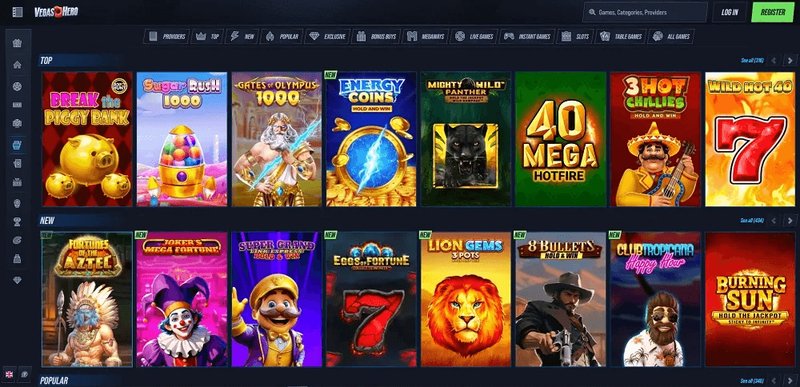
Mobile casino interfaces must accommodate essential information in a small screen area while keeping useful controls visible. Games may appear in menus grouped by category, provider, or format, with search and filters helping players get to a chosen title more quickly. Which layout works best for a person depends on whether they prioritize fast browsing, detailed information about games, or play without interruption. Page elements are adjusted for different screen sizes by responsive design, whereas a dedicated app, if available, provides a separate software route. Neither option guarantees easier use: clear labels, predictable navigation, and accessible rules matter more than the delivery format by itself.
| Element on Mobile | Its Effect | Comparison Criterion |
|---|---|---|
| Navigation menus group games into sections, helping players move efficiently between categories. | Consistent labels make it less confusing to switch from browsing to active play. | Check whether key areas are still easy to find on smaller screens. |
| Searching for games narrows the catalog by name, theme, or category filters that are available. | Filters help only when their labels accurately describe how games differ. | Look for enough information in search results to judge titles before opening them. |
| On phones and tablets, responsive layouts reposition page content to suit the display. | When controls are legible, accidental taps are less likely and instructions are easier to understand. | Use your own device to compare text size, spacing, and support for screen orientation. |
| How quickly content loads, how animations run, and session continuity may depend on connection quality. | The amount of data used and the stability of the network depend in part on the software and its visual complexity. | Consider whether the experience is manageable on the connection you usually use. |
| Panels with game information can keep rules, paytables, and descriptions of features nearby. | Easy-to-find explanations help players understand how a game works before they decide to play. | Check that the rules can be read without obscuring important game controls. |
Separate convenience from capability when comparing mobile access. A browser-based platform requires no additional software installation to open, while an app may have an interface made specifically for mobile use; actual choices vary by service. Notice how navigation works in different device orientations, whether text enlargement is possible, and how readily game details can be opened again. Practical interface details matter to understanding as much as to speed. Choices in design like these are part of Digital Platforms and Technology, though no one layout suits all players and devices. A brief but considered look at navigation and readability is more useful than judging an interface by how polished it looks.
Casino Games, Categories, and Play
Casino games are commonly organized by their central activity, although category names do not cover all the rules. In slot-style games, symbols and defined combinations are common, and the paytable sets out how outcomes relate to awards. Games at a table, including blackjack and roulette, follow familiar formats, but particular versions may have different rules or options. Live-dealer games pair digital access with a streamed table and a human dealer, so their interaction and round timing differ from those of automated games. Such groupings are useful for organizing games, not for predicting their outcomes. Before choosing a game, identify its main goal, the decisions available during a round, and the information it provides about outcomes. Another link for readers: read more.
How to Review Game Rules
Rules describe how a game starts, which actions are allowed, and how a round finishes. Small differences in table-game rules may change available choices; some blackjack versions, for example, have different dealer procedures or allow different actions. Roulette rules explain the betting layout and when selections close; the layout by itself does not explain how bets are settled. Typically, a slot paytable lists combinations of symbols and special features, while instructions describe how each feature operates. Do not rely on familiarity with a game name; read the rules for the version being offered. Useful information defines terms, explains how a round unfolds, and distinguishes optional choices from automatic game functions.
How Game Mechanics Differ
Digital games may appear similar despite having different underlying mechanics. For a game based on chance, the software determines an outcome in line with its design; interface choices generally affect participation, not the result. In games like blackjack that involve decisions, players’ actions influence how the round develops, although they do not promise a favorable outcome. A live format features a human dealer and streaming, yet valid actions and settlement remain determined by the stated rules. Understanding these differences helps set expectations: animation is not evidence that players can affect results, and strategic decisions do not guarantee success. Give priority to the rules and mechanics instead of the game’s visual presentation.
How to Choose a Platform in Practice
- Choose a platform whose navigation makes it simple to locate categories, rules, and game details.
- Look for clear text and comfortably sized controls on the mobile device you use most.
- Compare an app with browser access only when both are options for that service.
- Look at each game’s rules and paytable rather than relying on a known name to indicate identical play.
- Check whether the connection requirements suit your usual network and preferred session length.
- Before playing for real money, decide on personal boundaries for time and spending.
The technology of a helpful platform should aid informed decision-making, not distract from it. Assess the clarity of the game’s objective and rules, whether its mobile controls are understandable, and whether its information is for the version on offer. For real-money play, choose suitable time and spending limits in advance, and stop once you reach them. Because platform design and content vary, judge the interface and rules you actually encounter instead of relying on general category labels. The approach keeps attention on the features that matter most in digital gaming: navigation, mechanics, and whether the platform suits the individual.